
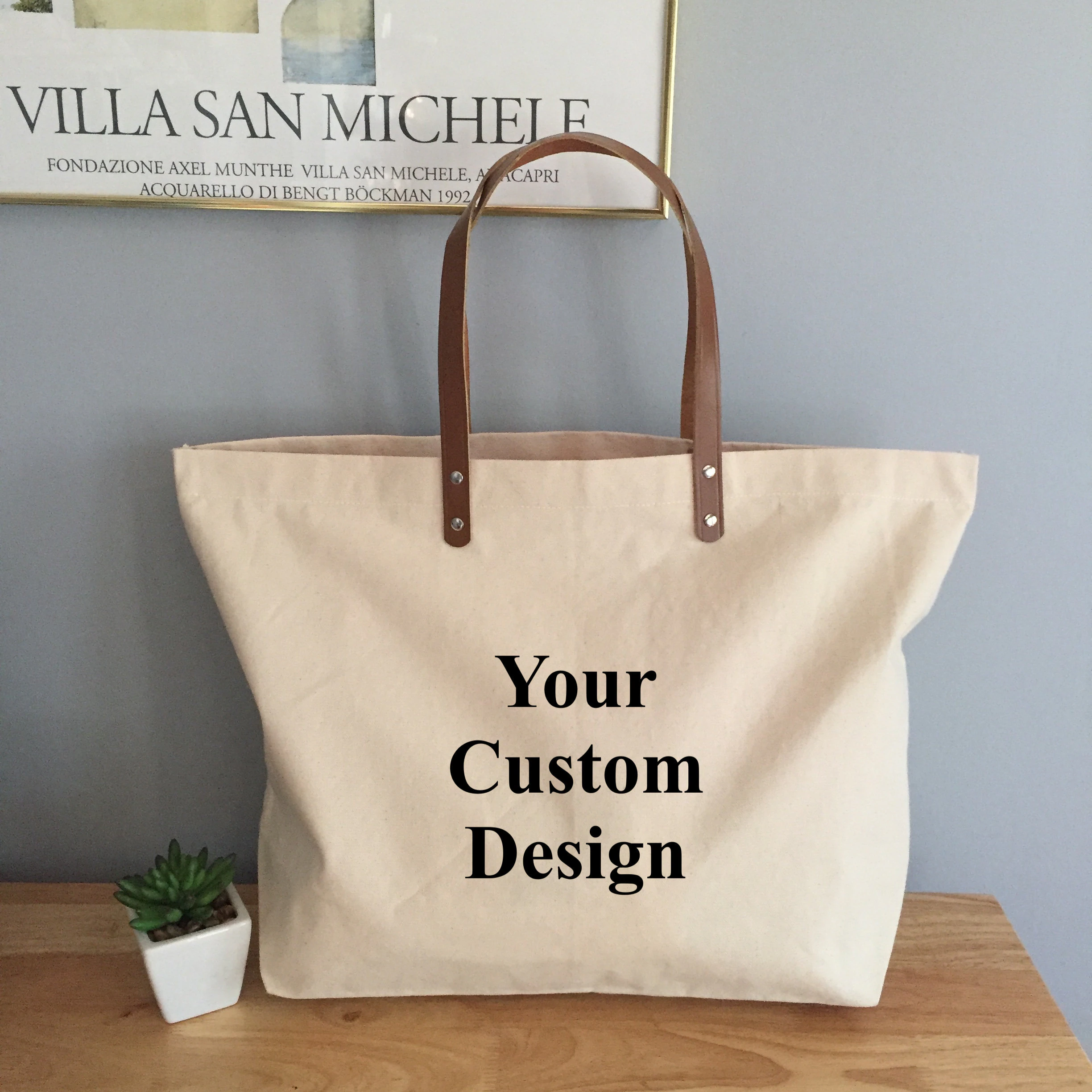
Design Trends Seen in Custom Tote Bags
Custom tote bags have evolved from practical carryalls into powerful statements of brand, style, and sustainability. Every detail—from sleek typography to carefully chosen colors—speaks to modern consumer values, blending visual appeal with purposeful messaging across retail, events, and corporate spaces.
Tote bags have become one of the most adaptable branded products in modern marketing. Once chosen mainly for practicality, they are now expected to communicate values, aesthetics, and intent at a glance. In everyday commercial use, printed tote bags UK wide are increasingly shaped by design considerations rather than purely functional needs. Businesses and organisations now view custom tote bags as long-term brand assets rather than short-term giveaways. This shift has driven a wave of design-led thinking, where material choice, print style, and layout all work together to create impact without excess.
As sustainability, minimalism, and brand clarity continue to influence purchasing decisions, the visual language of tote bags has evolved accordingly. Understanding current design trends helps brands make informed choices that feel relevant, professional, and durable in both style and message.
Minimalist Graphics with Purpose
Clean, restrained design remains one of the strongest influences in custom tote bags. Instead of crowded visuals, many designs now rely on a single focal element such as a symbol, wordmark, or short phrase. This approach improves legibility and ensures the bag remains visually appealing even after repeated use.
Minimalist layouts also align well with eco-conscious messaging. A simple design suggests thoughtfulness and restraint, reinforcing the idea that the product is intended for long-term use rather than disposable promotion. White space, balanced proportions, and uncluttered composition are central to this trend.
Typography as the Primary Design Feature
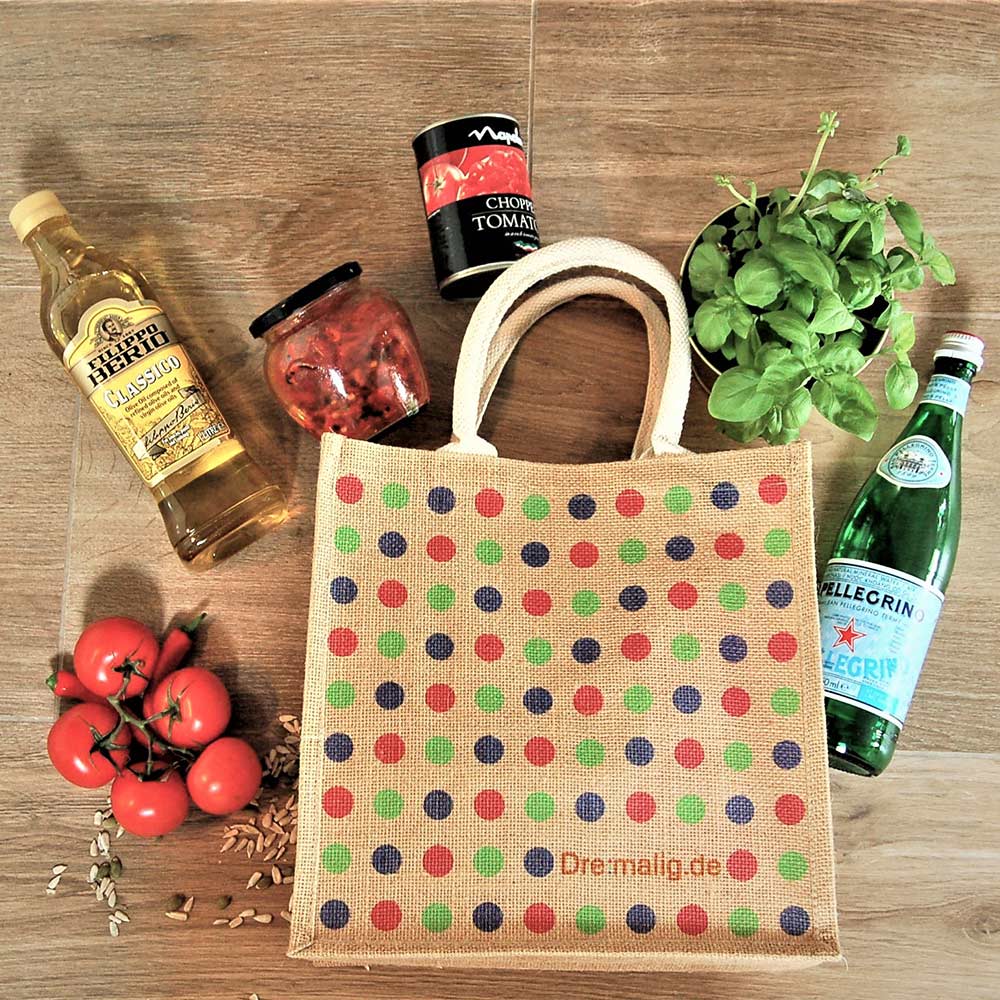
Typography-led tote bags continue to gain momentum. Fonts are no longer just functional; they are central to the design itself. Strong serif typefaces communicate heritage and reliability, while clean sans-serif fonts signal modernity and openness. Handwritten or script-style fonts are often used sparingly to convey warmth or creativity.
Designers increasingly focus on spacing, alignment, and scale, ensuring text feels intentional rather than decorative. When typography becomes the main visual element, it allows messages to remain clear and adaptable across different uses, from retail packaging to event distribution.
Earth-Inspired Colour Palettes
Natural, muted colour schemes are now widely preferred over bright or highly saturated tones. Shades such as sand, olive, charcoal, soft grey, and off-white dominate current designs. These colours pair well with cotton materials and reinforce sustainability-focused branding without needing explicit messaging.
This shift towards understated palettes also improves versatility. A tote bag that complements a wide range of outfits or settings is more likely to be reused, increasing brand visibility over time. Subtle contrast between fabric and print colour ensures readability while maintaining a refined appearance.
Material-Led Design Decisions
Design trends increasingly start with the fabric itself. Natural cotton textures, unbleached finishes, and heavier weaves influence how designs are planned and printed. Rather than treating the bag as a blank canvas, designers now work with the material’s tone and texture to guide layout and colour choices.
This approach results in designs that feel integrated rather than applied. It also encourages restraint in ink coverage and detail, supporting durability and print longevity while aligning with environmentally responsible production values.
Scaled-Down Logos and Discreet Branding
Oversized logos are gradually giving way to more subtle branding. Small, well-placed logos or marks positioned near seams or corners feel intentional and confident. This understated approach suggests brand maturity and avoids the appearance of overt advertising.
Discreet branding also increases the likelihood that the tote bag will be used regularly. When branding feels tasteful and balanced, users are more comfortable incorporating the bag into daily routines, extending its functional and promotional lifespan.
Thoughtful Placement Over Full Coverage
Design placement has become more deliberate. Rather than covering the entire surface, many tote bags now feature designs positioned centrally, along the lower third, or offset to one side. This creates visual interest while preserving simplicity.
Careful placement also supports structural considerations, ensuring designs remain visible when the bag is in use. It reflects a deeper understanding of how tote bags are carried, folded, and stored, resulting in more practical and visually consistent outcomes.
Sustainable Messaging Through Design Choices
Rather than relying on explicit environmental claims, many designs communicate sustainability through visual restraint. Limited colour use, natural tones, and simple messaging subtly reinforce responsible values. This approach feels more authentic and avoids overwhelming the design with statements.
As demand for printed tote bags UK continues to grow, this quiet confidence in design helps brands appeal to environmentally aware audiences without appearing performative or overly promotional.
Print Techniques That Support Longevity
Design trends increasingly favour print methods that age well. Single-colour prints, solid shapes, and clear lines reduce wear visibility over time. This ensures the bag maintains its appearance after repeated washing and use.
Designers now consider how prints will look months or years later, not just at first distribution. This long-term perspective supports both sustainability goals and brand reputation by keeping designs sharp and legible throughout the product’s life.
Conclusion
Modern tote bag design reflects a broader shift towards clarity, responsibility, and longevity. Current trends prioritise clean layouts, thoughtful typography, natural colour palettes, and material-aware design choices. Together, these elements create tote bags that feel purposeful rather than promotional.
By focusing on simplicity, balance, and durability, brands can produce designs that remain relevant across changing tastes. Well-designed tote bags are more likely to be reused, appreciated, and remembered. As expectations continue to evolve, thoughtful design will remain central to creating tote bags that support both brand visibility and everyday practicality without compromise.
