
Energy Consumption Explained: Are Electric Radiators Efficient?
Heating technology has advanced, offering homeowners more flexible ways to heat their homes. Electric radiators are valued for easy installation and precise temperature control, yet many people still question their energy efficiency compared with traditional heating systems. Electric radiators convert electrical energy directly into heat. Because the conversion process is nearly 100 percent efficient at the point of use, they can deliver consistent warmth without the heat loss often associated with pipe-based systems. At the same time, factors like room size, insulation, and even the best position for a radiator can significantly influence how efficiently heat spreads throughout a space.
Understanding how these systems work and how energy consumption is managed helps homeowners make informed decisions when choosing a heating solution.
How Electric Radiators Work
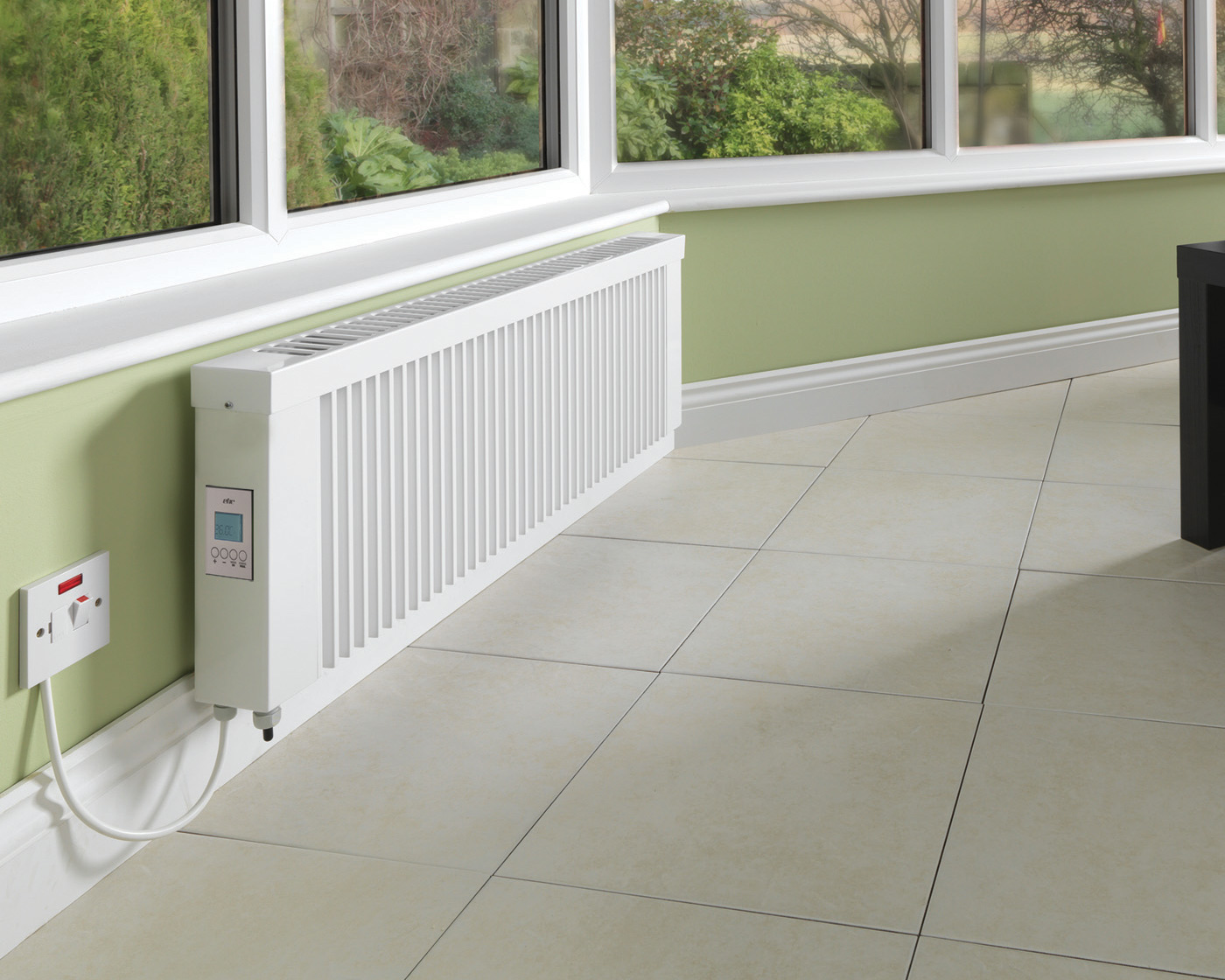
Electric radiators use internal heating elements to warm a core inside the unit. The heat is then released into the room through convection and radiant heat. Unlike central heating, they work independently without boilers or pipework.
Direct Energy Conversion
Electric radiators convert almost all the electricity they use into heat, making them highly efficient with minimal energy waste.
Independent Room Control
Many models include thermostats and timers, allowing users to heat only the rooms they need and improve energy efficiency.
What Affects Energy Consumption in Your Home
While electric radiators convert electricity efficiently, the overall energy cost depends on how long the system runs and how effectively the heat is retained in the room.
Several factors influence energy consumption.
1. Room Size and Heat Requirements
Larger rooms require more heat output to maintain comfortable temperatures. Radiators with higher wattage ratings are typically needed for bigger spaces.
For example, a room may require between 70 and 100 watts per square metre depending on insulation levels and ceiling height.

2. Insulation Quality
Poor insulation allows heat to escape quickly, forcing radiators to run longer to maintain temperature. Well-insulated rooms retain warmth more effectively and therefore require less energy.
3. Radiator Placement
Where a radiator is installed can greatly affect heat distribution. Even a highly efficient heating unit may struggle to warm a room if placed incorrectly. Selecting the best position for a radiator allows heat to circulate evenly and prevents cold zones within the room.
Are Electric Radiators More Efficient Than Traditional Systems?
Efficiency comparisons between electric radiators and traditional systems often depend on how the heating system is used.
● Reduced Heat Loss
Central heating systems can lose heat through pipework and boiler inefficiencies. Electric radiators avoid these losses because they generate heat directly in the room where it is needed.
● Zoned Heating Benefits
Electric radiators allow “zoned heating,” meaning each room can be heated independently. This helps prevent energy waste in unused areas of the home.
● Consistent Temperature Control
Digital thermostats ensure that radiators maintain stable temperatures. When the desired temperature is reached, the system stops using electricity until heating is required again.
Smart Technology and Energy Management
Modern electric radiators often include smart technology designed to improve efficiency and reduce electricity consumption. Features like programmable timers allow heating schedules to match daily routines so rooms are warmed only when needed, helping prevent unnecessary energy use. Some advanced systems can also learn heating patterns and automatically adjust temperatures to maintain comfort while using minimal electricity. In addition, many smart radiators can be controlled through mobile apps, allowing users to change settings, adjust temperatures, or turn heating on and off even when they are away from home.
Improving Heat Distribution in Your Home
Even efficient heating systems work best when warmth spreads evenly across a room. Heat naturally rises and creates airflow, so radiator placement plays an important role in how effectively warmth circulates. Installing radiators on exterior walls or beneath windows can help balance colder air entering the space. In many homes, choosing the best position for a radiator helps ensure heat distributes evenly instead of concentrating in one area.
Tips for Maximising Electric Radiator Efficiency
Homeowners can take simple steps to reduce energy consumption while maintaining comfort.
- Use programmable thermostats to control heating schedules
- Avoid blocking radiators with furniture or curtains
- Ensure rooms are properly insulated to reduce heat loss
- Select the correct radiator size based on room dimensions
- Install radiators in optimal locations to support natural heat circulation
These adjustments help improve heating performance and prevent unnecessary electricity use.
Common Misconceptions About Electric Radiators
Electric radiators are often misunderstood, especially when it comes to energy costs. Many assume they are always expensive to run, but energy use mainly depends on insulation, heating duration, and temperature settings. Another myth is that they create uneven heat, yet when correctly sized and placed in the best position for a radiator, they can deliver consistent warmth. Modern electric radiators also include digital controls, smart features, and improved heat retention technology.
The Role of Energy Efficiency in Modern Heating
Energy efficiency is an important factor for homeowners managing long-term heating costs. Electric radiators allow precise temperature control, enabling users to heat rooms individually rather than the entire property.
With improved thermostats and smart heating technology, these systems support more efficient and controlled home heating.
Conclusion
Electric radiators offer a practical and energy-conscious heating solution for many homes. Their ability to convert electricity directly into heat, combined with independent room control, makes them an efficient option when used correctly.
Energy consumption ultimately depends on factors such as insulation, radiator size, heating schedules, and placement. Ensuring the best position for a radiator allows warmth to circulate effectively and helps maintain consistent indoor comfort.
By combining smart controls, proper installation, and thoughtful energy management, homeowners can enjoy reliable warmth while keeping energy usage under control.