
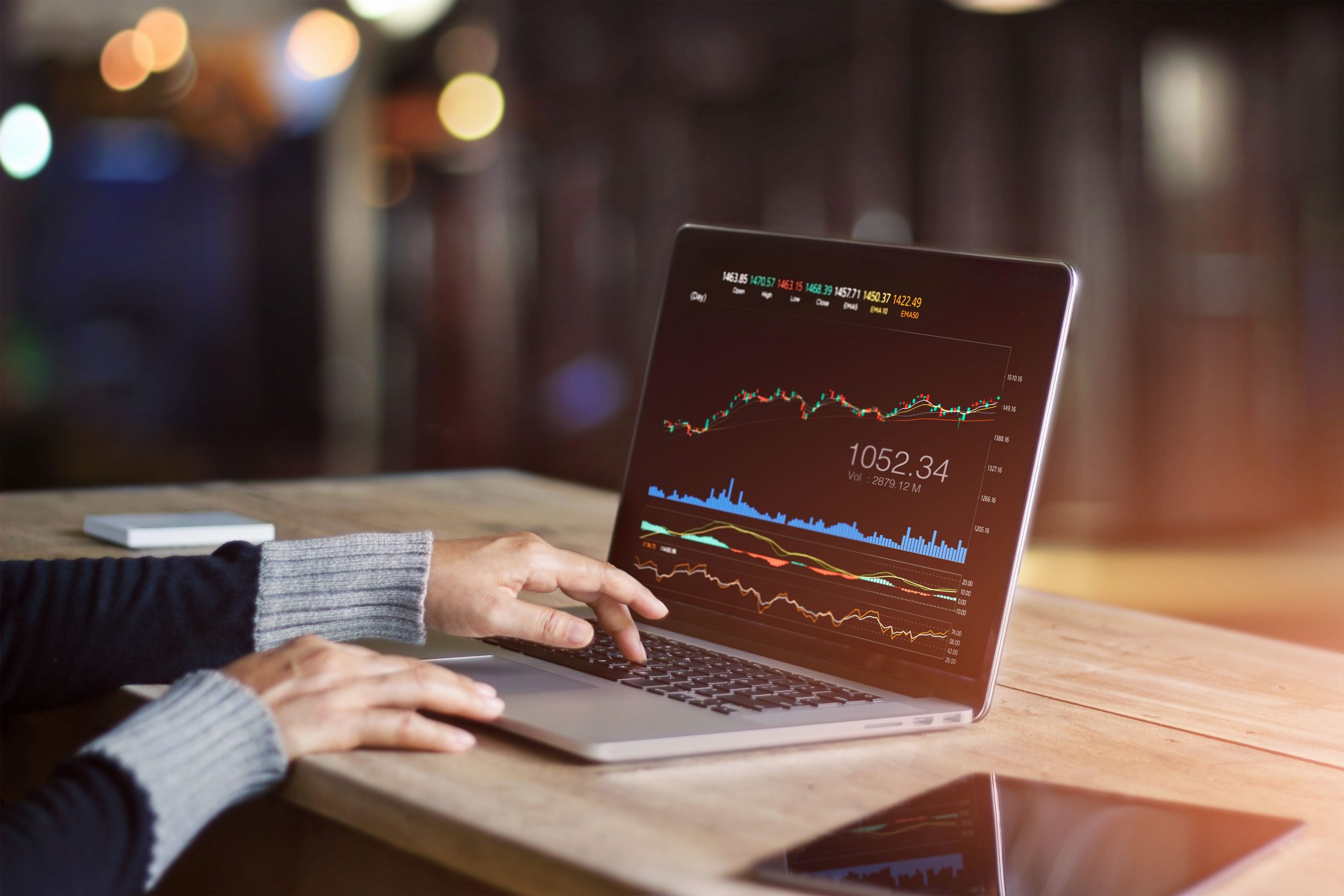
Understanding Volatility in CFD Trading Markets
Volatility is one of those things you notice before you fully understand it. You open a chart and see price moving quickly, sometimes smoothly, sometimes with sharp shifts, and it immediately feels different from slower conditions.
In CFD trading, volatility is simply how much and how quickly price moves, but the way it feels can change your decisions if you are not aware of it.
What Volatility Actually Means
Volatility is not about direction. Price can be moving up, down, or sideways and still be considered volatile if the movements are large or frequent.
This is why two markets can look completely different even if they are both active.
For traders in Australia, CFD trading becomes easier to understand when volatility is seen as movement intensity rather than trend.
Why Some Markets Move More Than Others
Different markets naturally have different levels of volatility. Commodities like oil or indices can move quickly during certain periods, while some shares may move more steadily.
External factors also play a role.
Economic news, global events, or sudden changes in sentiment can increase activity in a short amount of time. In CFD trading, these shifts are often visible directly on the chart as larger candles or faster movement.
How Volatility Affects Your Trading Decisions
When volatility increases, everything tends to happen faster. Price reaches levels more quickly, reacts more sharply, and can reverse without much warning.
This can make decisions feel rushed.
On the other hand, when volatility is low, movement can feel slow and unclear, which creates a different kind of uncertainty. In CFD trading, recognising these differences helps you adjust your expectations.
High Volatility Feels Different From Low Volatility
There is a noticeable contrast between the two.
In higher volatility conditions, you may see:
- faster price movements
- larger candles forming quickly
- stronger reactions at key levels
In lower volatility conditions, you may notice:
- smaller movements
- more sideways behaviour
- slower reactions overall
For traders in Australia, CFD trading often becomes clearer when these differences are recognised rather than questioned.

Why Volatility Can Feel Uncomfortable at First
At the start, high volatility can feel overwhelming. Movements happen quickly, and it can feel like there is little time to think.
Low volatility can feel just as difficult, but in a different way.
It may seem like nothing is happening, which creates the urge to act even when there is no clear reason. In CFD trading, both extremes can influence behaviour if you are not aware of them.
Adjusting Your Approach Based on Conditions
Instead of trying to treat every situation the same way, it helps to adjust your approach depending on how the market is behaving.
This does not require complex changes.
It can be as simple as recognising when conditions feel too fast or too slow and responding accordingly. For traders in Australia, CFD trading becomes more manageable when decisions match the pace of the market.
Volatility and Risk Go Together
Higher volatility often means larger potential movement, which increases both opportunity and risk. A trade can move in your favour quickly, but it can also move against you just as fast.
This is where awareness matters.
Keeping risk controlled becomes more important when movement is less predictable. In CFD trading, volatility and risk are closely connected.
Why Experience Changes How Volatility Feels
At first, volatility tends to stand out. It feels intense, unpredictable, and sometimes difficult to manage.
But over time, that feeling changes.
You begin to recognise different types of movement and understand how they develop. For traders in Australia, CFD trading becomes less overwhelming as volatility starts to feel more familiar.
Volatility is not something to avoid or chase. It is simply part of how markets move, and learning to recognise it helps you understand what kind of environment you are dealing with.
In CFD trading, the goal is not to control volatility but to become aware of it. Because once you understand how it affects movement, your decisions naturally become more balanced and easier to manage over time.